
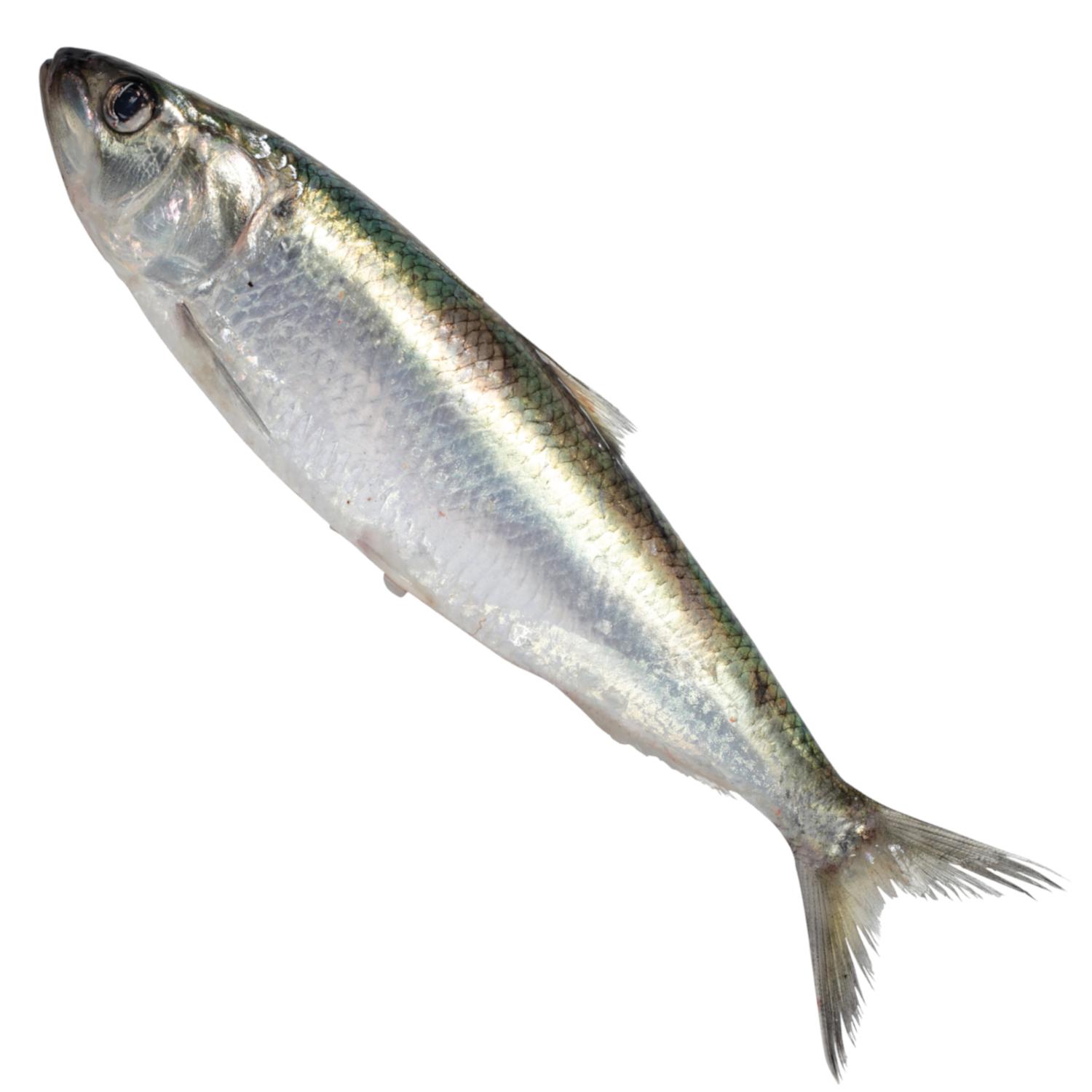
Sardine is a small, oily fish that belongs to the herring family and is found in oceans around the world, particularly in temperate and warm coastal waters. It has a slender, silvery body and often travels in large schools, which helps protect it from predators and makes feeding more efficient. Sardines are known for their rapid reproduction and abundance, making them an important and sustainable resource in many marine ecosystems.
These fish primarily feed on plankton and microscopic organisms, playing a key role in transferring energy from lower levels of the food chain to larger predators. In turn, sardines are an essential food source for bigger fish, seabirds, and marine mammals. Their presence helps maintain the balance of ocean ecosystems and supports biodiversity.
Sardines are also highly valued for human consumption due to their rich flavor and impressive nutritional benefits. They are an excellent source of protein, omega-3 fatty acids, vitamins, and minerals such as calcium and vitamin D. Sardines are commonly prepared in various ways, including grilling, frying, smoking, or canning, and are enjoyed in many cuisines worldwide. Their affordability, availability, and health benefits make them a popular and important fish both economically and nutritionally.
Reviews
There are no reviews yet.